Blog

  • Carmine, still “the King” of natural red colors.

    Carmine, still “the King” of natural red colors.

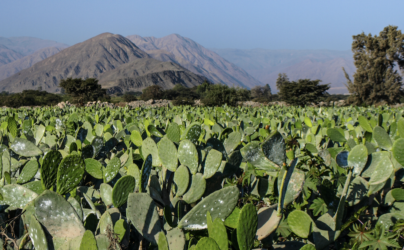
    Carmine has reigned the red zones of the color spectrum in food, beverage & cosmetics for many centuries. Carmine’s unique coloring characteristics made carmine a legendary red dye treasured by the ancient Mexicans and sold in the great Aztec marketplaces, where it attracted the attention of the Spanish conquistadors in the sixteenth century. Shipped to Europe, the dye created a sensation, producing the brightest, strongest red the world had ever seen. Carmine became one of the world’s most precious commodities after gold and silver. Spain’s cochineal monopoly was worth a fortune, this luminous luxury was a source of war and intrigue. But in Europe, few fully understood the nature of carmine. Was it made from plant or animal? Could it be stolen from Mexico and transplanted to their colonies? The quest to crack the cochineal enigma and break Spain’s monopoly lasted three hundred years.

    Nowadays despite continuous attempts to knock carmine of its throne, there is still no natural color that matches the unique combined characteristics of carmine. Currently Europe takes the highest share of carmine launches in food and drink launches with a red coloring ingredient. 64% of European food and drink launches that contain a type of red color contain carmine. The majority of the worlds’ carmine production now takes place in Peru.

    For those interested in learning more about the history of Carmine the book from Amy Butler “A perfect Red” comes highly recommended.

    For over 37 years BioconColors has been one of the world’s leading carmine producers. Are you interested in using Carmine in your application? Contact us

  • Black further gaining strength as food coloring trend

    Black further gaining strength as food coloring trend

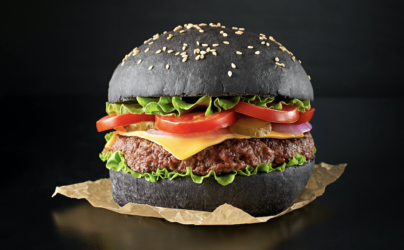
    Black-colored food is popping up all over. From black coconut-ash ice cream to activated-charcoal-enhanced smoothies to black brioche buns. With Japan often being on the forefront of colorful food and drink trends, it is not supricing to see Japanese Burger King developed the Kuro Burger with a bun colored with bamboo charcoal and squid ink sauce and black-colored cheese. Ikea in Japan even introduced a black “Ninja Dog”, a hot dog that’s entirely black, from sausage to bun.

    Black as food color is not new, for example, squid ink has been used to flavor and color pasta and risotto for a long time. Black barley, quinoa and garlic add eye appeal and drama to classic dishes. The more dominant black natural colorant is vegetable carbon. Vegetable Carbon (Carbon black) is made from fine particles of carbonized vegetable material, obtained through steam activation of vegetable fibres. Consumers often associate black with a bitter flavor, just the color seems to make the flavor more intense even if no flavor is added.

    Vegatable carbon is suitable for black food coloring  in e.g. confectionery, bakery products, decorations, cheese coating, black caviar substitute, cosmetics, and pharmaceuticals.

    Contact us to learn more about food coloring with Vegetable Carbon.

  • Color has become a key tactic to attract attention online

    Color has become a key tactic to attract attention online

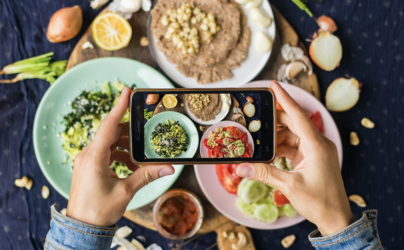
    In the “Eat with your eyes ara” social media is a key information source for foodies and other people who want to be on the forefront of today’s trends. This has created a market for colorful food and drink that can “go viral.” Visual-focused media has made appearance all the more important for food and drink. Color is one of the easiest ways that food and drink can attract consumers’ attention online.

    Natural food colors can help to create social media-friendly food and drink that are photogenic and sought after by younger consumers. Social media sites like Instagram and Pinterest often feature pictures of unique, bizarre and visual food and drink – attributes that natural colors can help to deliver.

    Recipes, photos and videos of food and drink are focal points for social media posts and online content:

    23 Billion

    344 Million

    14,9 Million

    recipes and dining ideas are on Pinterest Instagram posts used the hashtag #food as of mid-June 2019 people were subscribed to BuzzFeed’s Tasty YouTube channel as of mid-June 2019


    The “Eat and Tweet” trend even created a market for apps like: FoodSpotting, Burpple,  EyeEm, Hipstamatic Foodie SnapPak, and SnapDish—are apps specifically dedicated to the logging and sharing of food.

    Social media marketing is still unchartered territory for many food and beverage brands. The use of bright or unexpected colors is common in confectionery, desserts, baked goods, snacks and beverages. More categories, especially savory food such as sauces, condiments and side dishes, can use natural colors to attract consumers’ attention online.

  • Revised EU legislation on annatto

    Revised EU legislation on annatto

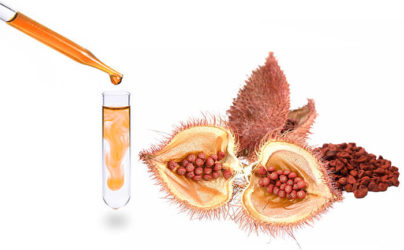
    On February 21-2020, EU voted positive on the revised annatto color legislation. This will create a better alignment between EU specifications and CODEX Standard JECFA monographs reducing regulatory complexities for manufacturers. The new annatto labeling requirements are a consequence of a more detailed definition and classification of annatto extracts. Several food categories in which annatto bixin and norbixin is allowed will be adjusted and revised labeling will be implemented. Detailed information per category can be found on the Eur-Lex website.